Non-technical preparation for pilots
Developing skills beyond piloting
Airlines do not just evaluate your knowledge and piloting skills. They also look at how you reason, communicate, collaborate, and handle complex situations or pressure.
Asteraviation develops these skills throughout the training program, ensuring they become part of the student’s way of working and can emerge naturally—even during an airline selection process.
These skills, together with technical training, contribute to developing the Pilot Competencies required for operating within a professional aviation environment.
What companies observe
Understanding the situation
Deciding with clarity
Set priorities, evaluate alternatives, and take action even when time and information are limited.
Working as a crew
Communicate clearly, listen, and leverage team resources to achieve a shared goal.
In the cockpit, they make the difference
In the cockpit, non-technical skills come into play especially when the scenario changes, requiring the plan to be adapted, new priorities to be set, and coordination with others to take place.
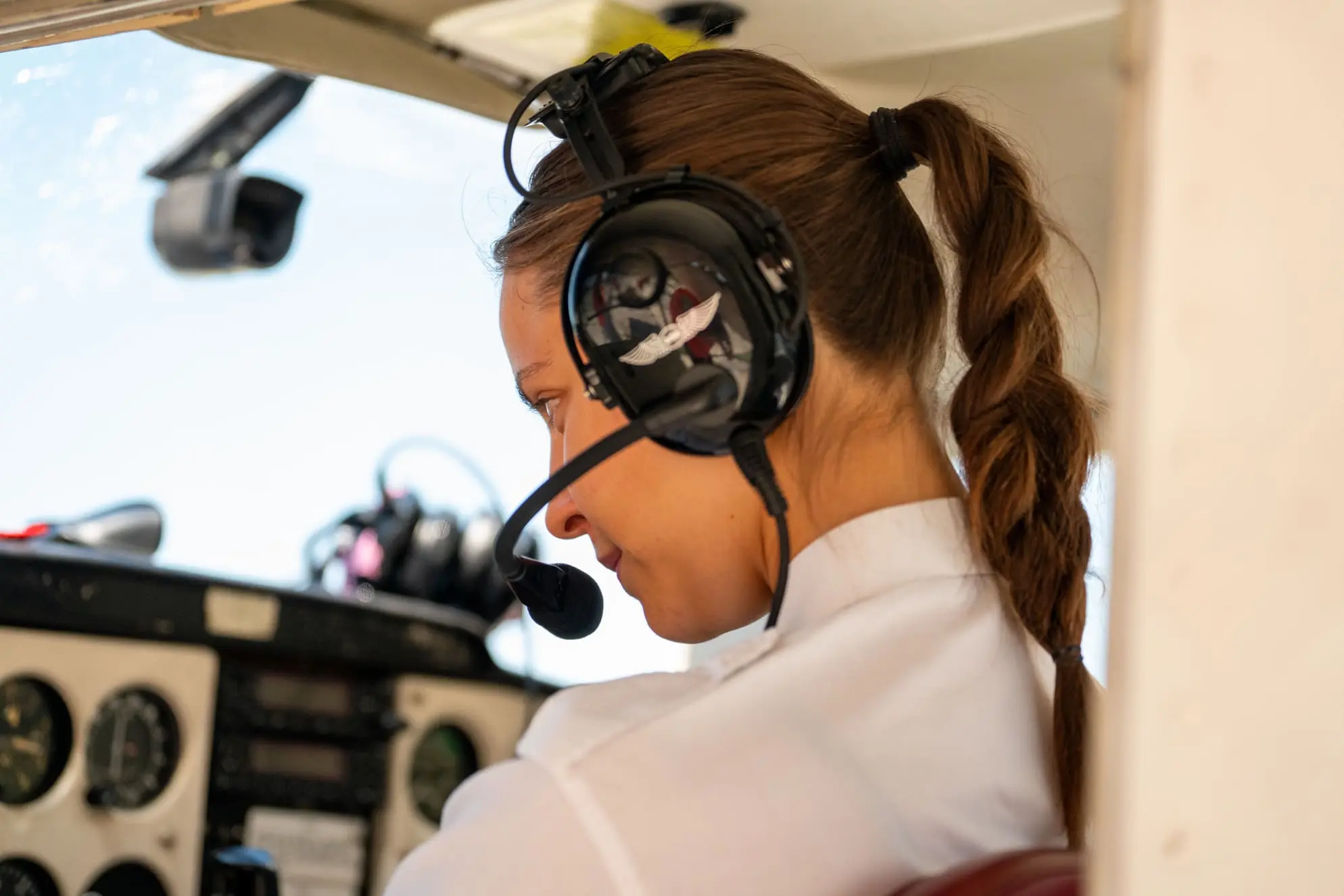
When the plan changes
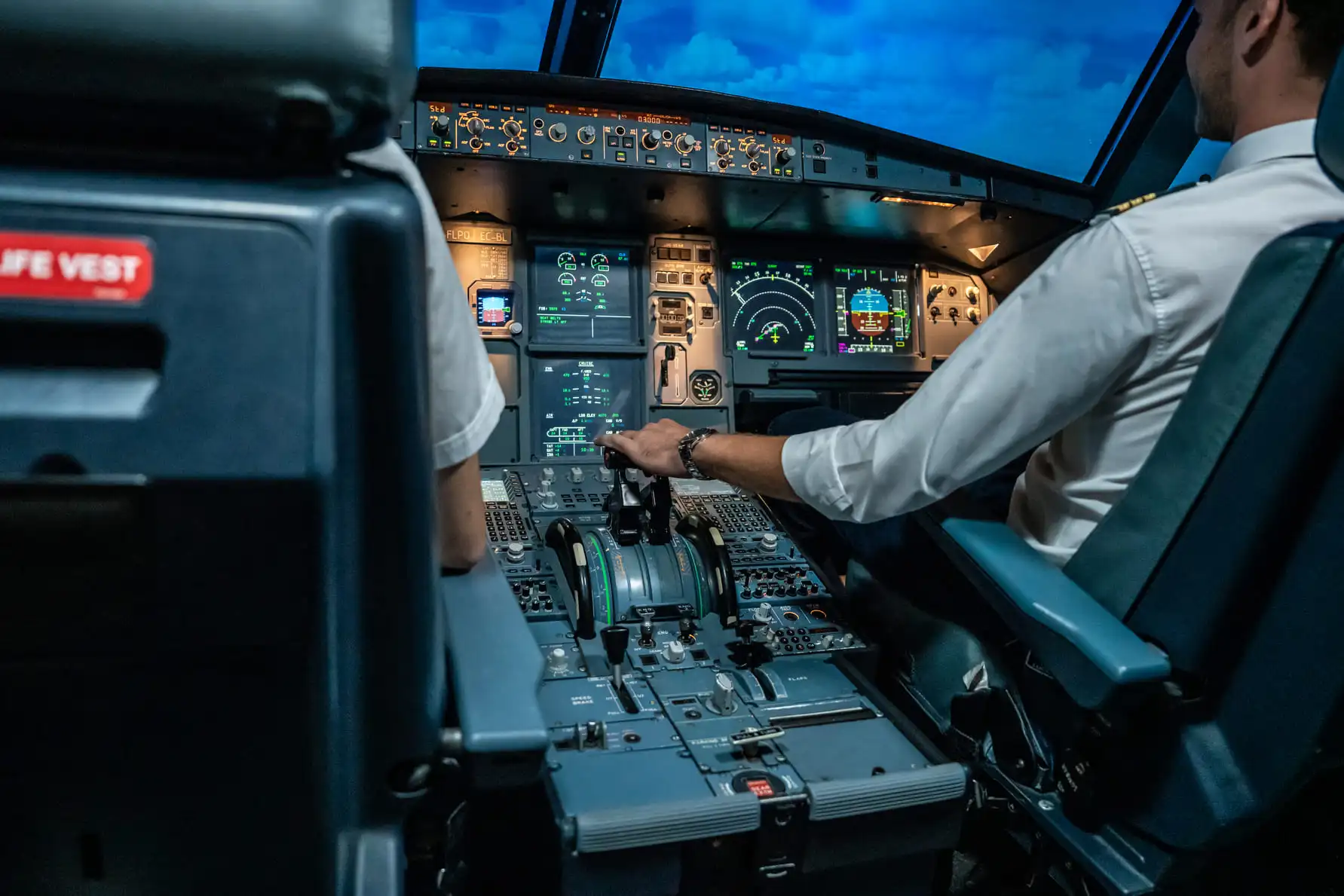
When pressure rises
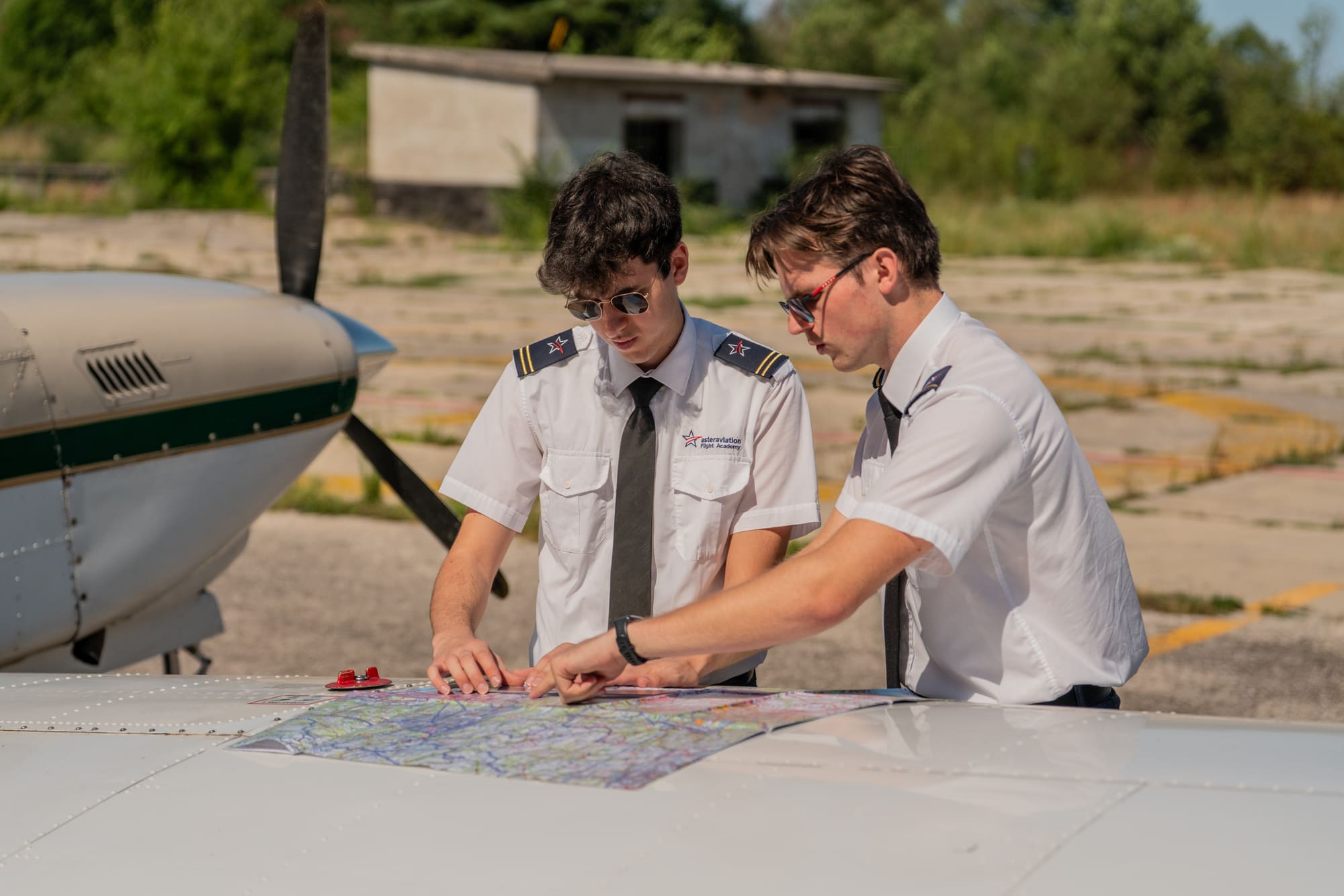
When a doubt arises

Over 100 hours to develop them
- seminars and practical exercises;
- group work and case studies;
- observation of behaviors and feedback.
The program involves psychologists with experience in the selection of flight crew, as well as professionals qualified as CRM Trainers. The activities address situational awareness, decision-making, communication, teamwork, leadership, and the management of stress and workload, with a specific focus on CRM (Crew Resource Management) and Threat and Error Management.
The time dedicated allows the student to recognize their own way of reacting, work on areas for improvement, and progressively consolidate more effective behaviors.
From training to selection
During an airline selection process, it’s not just the solution you propose that counts. Recruiters also look at how you arrive at that answer.
What emerges is how you organize information and priorities, the clarity with which you communicate and collaborate, and your ability to handle pressure, change, and mistakes.
Developing these skills during training makes it possible to approach assessments with greater awareness. It is not a matter of constructing a persona suited to the selection process, but rather of bringing to the fore skills that have already been consolidated over time.
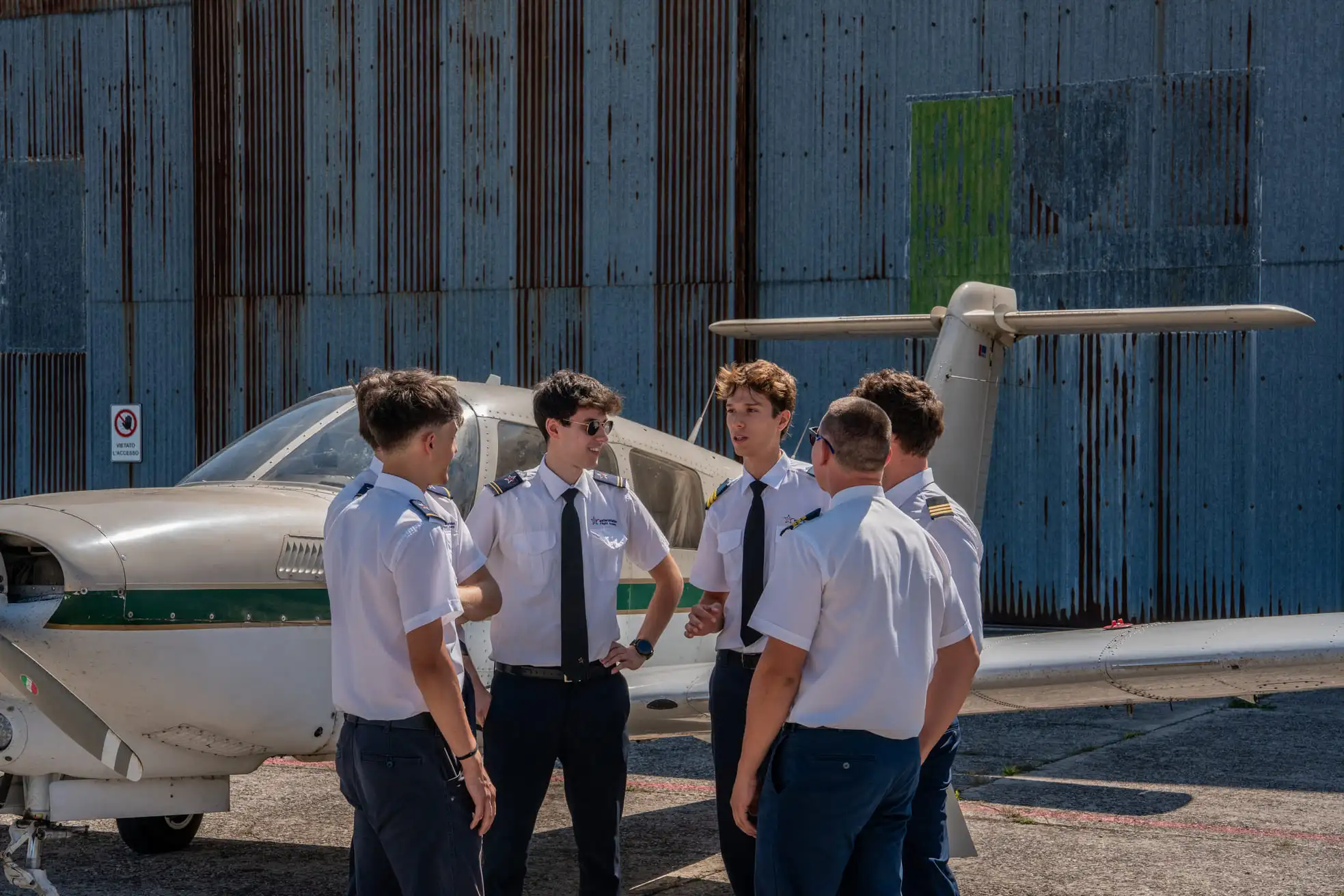
Skills that grow with experience
Non-technical preparation is not just for passing a selection process.
Situation awareness, decision-making, communication, and workload management remain with the pilot even as complexity and responsibility increase.
During training, exercises and feedback transform these skills into an increasingly conscious and professional way of working.
Questions regarding non-technical preparation
What are non-technical skills?
These are cognitive, relational, and behavioral capabilities that, together with technical skills, contribute to forming Pilot Competencies. They enable a pilot to understand a situation, make decisions, communicate, and work effectively with others.
What skills are developed?
The course develops situation awareness, decision-making, communication, teamwork, leadership, and the management of stress and workload, with a focus also on CRM and Threat and Error Management.
Are non-technical skills innate?
How are they trained?
Are they also needed during an individual flight?
How are they observed during a selection process?
Who guides the student in the development of non-technical skills?
Know your starting point
Before developing a skill, it is useful to know your starting point.
The Cadet Aptitude Day includes aptitude tests, a psychological assessment, a flight test, and an individual interview. Each participant is guided by a dedicated, experienced instructor and by psychologists with expertise in airline recruitment.
At the end, you receive individual feedback on your strengths and areas for development, which is useful for approaching the training with greater awareness.