The Asteraviation fleet
The aircraft with which you will build your experience
The first hours at the controls, the first solo flight, cross-country navigation, instrument flying, multi-engine operations. Throughout your training, your objectives evolve—and so do the aircraft you use to achieve them.
The Asteraviation fleet supports this progression with aircraft designed for the various stages of training. The training path culminates in the use of certified commercial flight simulators—configured as Boeing 737 or Airbus A320—which are utilized for the APS MCC course.
You will not always fly the same type of aircraft. As your experience and skills grow, you will encounter increasingly advanced configurations, avionics, and procedures.
The aircraft in the fleet are owned by Asteraviation, undergo regular maintenance, and are housed in a hangar.
The fundamentals of piloting
Cessna 150 and 152
The fleet includes five Cessna 150s and 152s, used to develop a feel for the controls, precision, navigation, and self-reliance.
First, you learn to fly: controlling the aircraft, recognizing its reactions, and orienting yourself by developing solid foundational skills. Only later are the glass cockpit and more advanced technologies introduced.
Aircraft:
D-ERIK, I-PROS, I-DERI, I-NOLV and I-BXIS
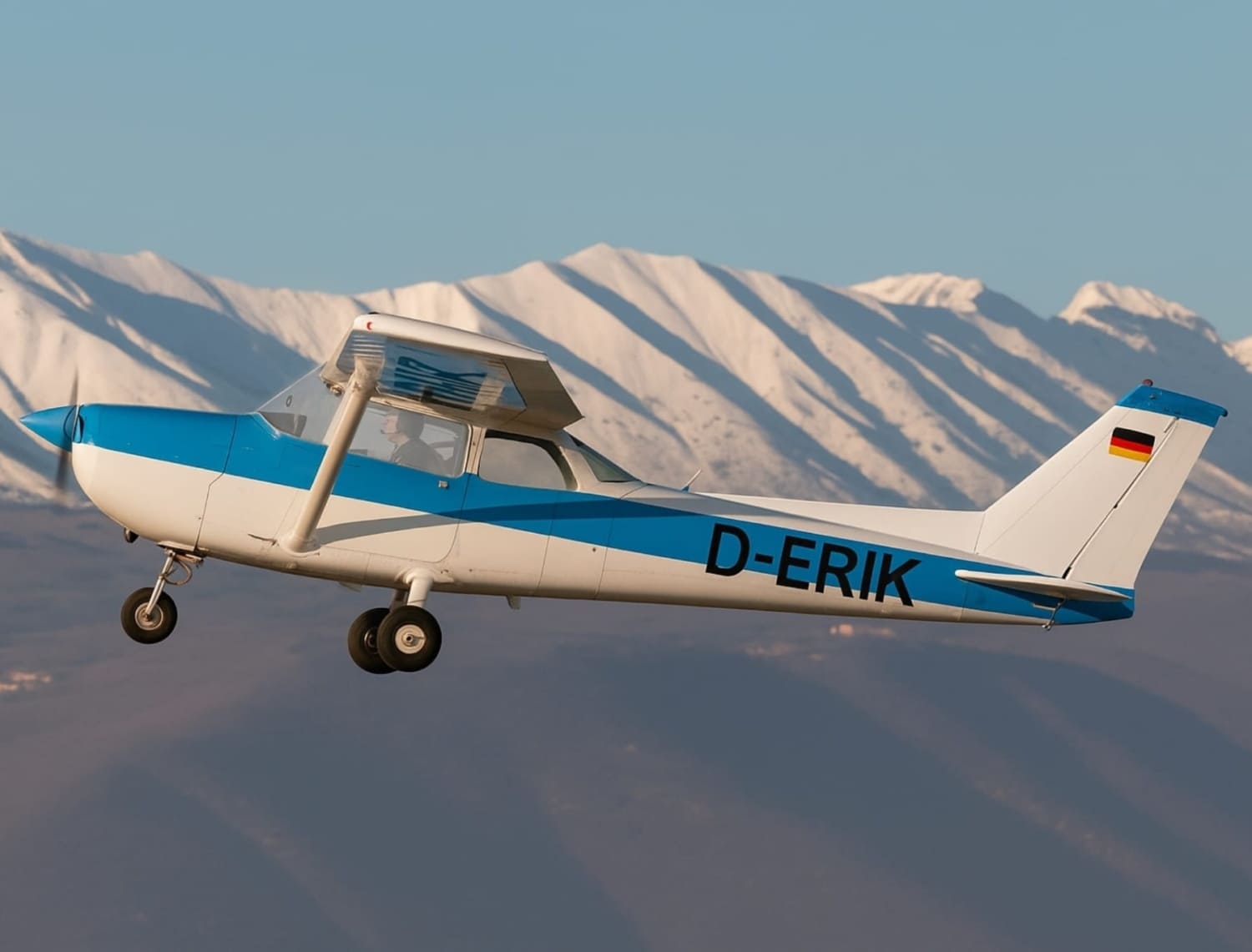
D-ERIK
Reims Cessna C152
Fixed Pitch
Fixed Carriage
108 HP - Power
95 kts - Cruise speed
3.5 hr - Battery life
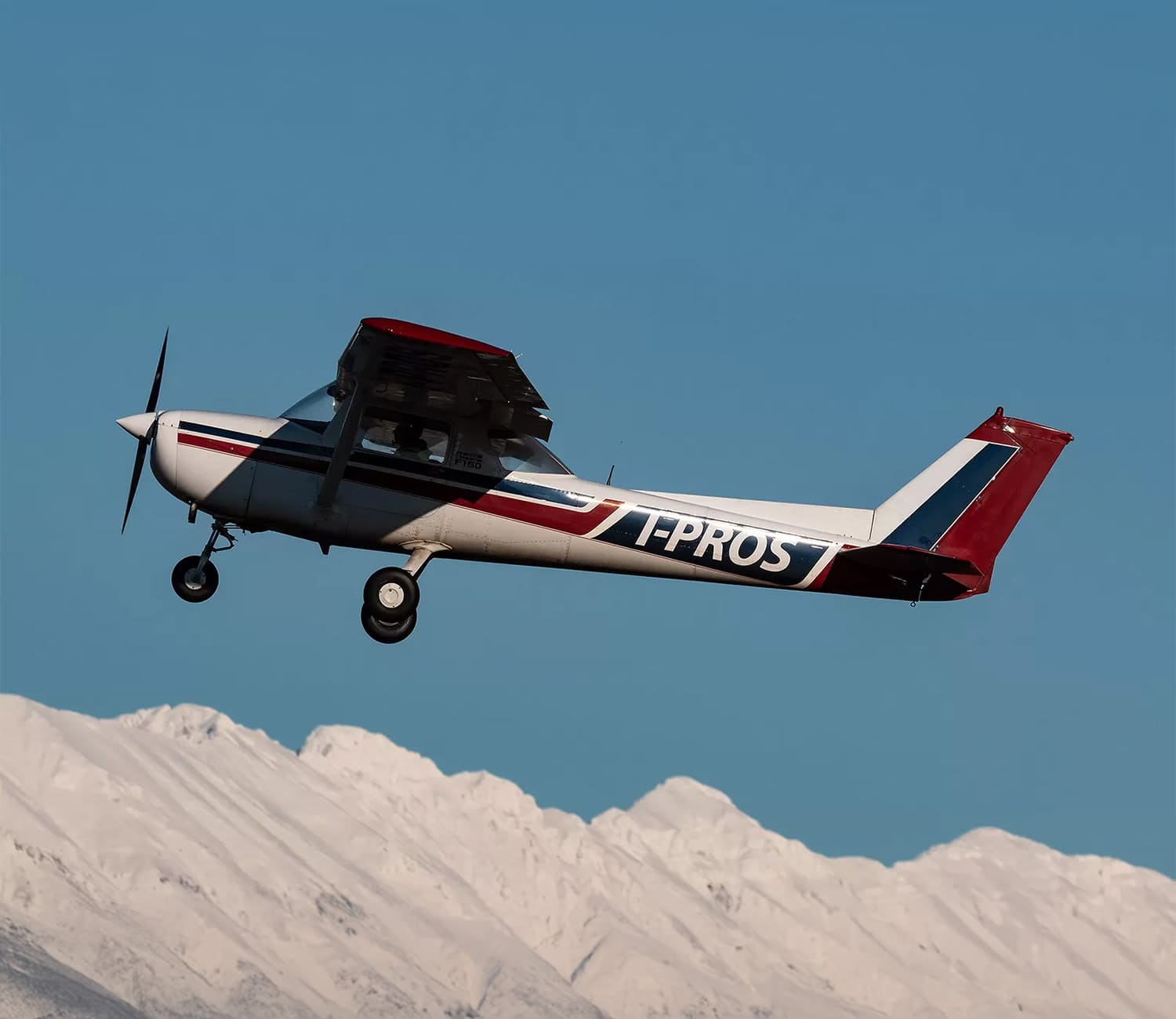
I-PROS
Reims Cessna F150L
Fixed Pitch
Fixed Carriage
100 HP - Power
85 kts - Cruise speed
3.5 hr - Battery life
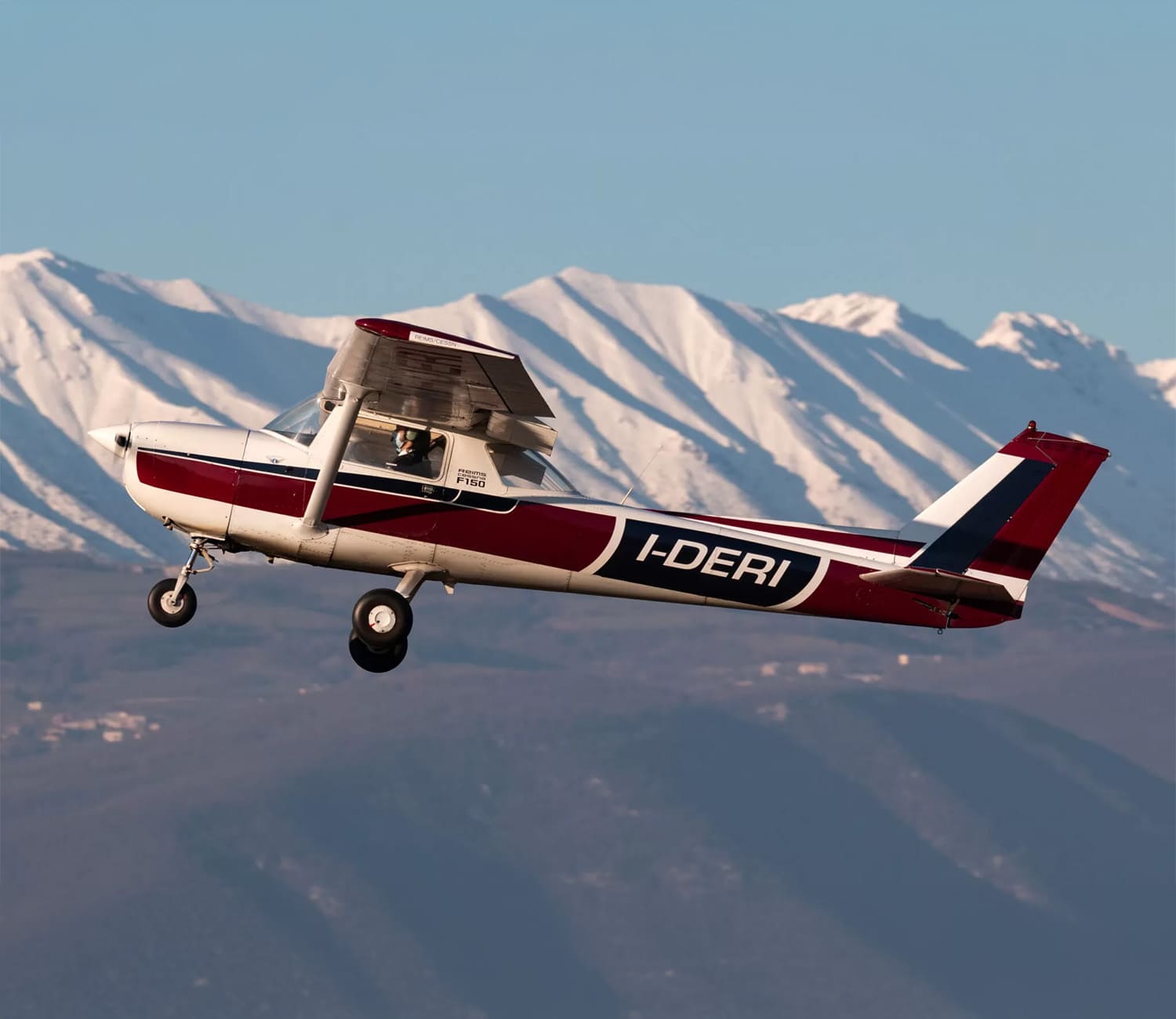
I-DERI
Reims Cessna F150L
Fixed Pitch
Fixed Carriage
100 HP - Power
85 kts - Cruise speed
3.5 hr - Battery life
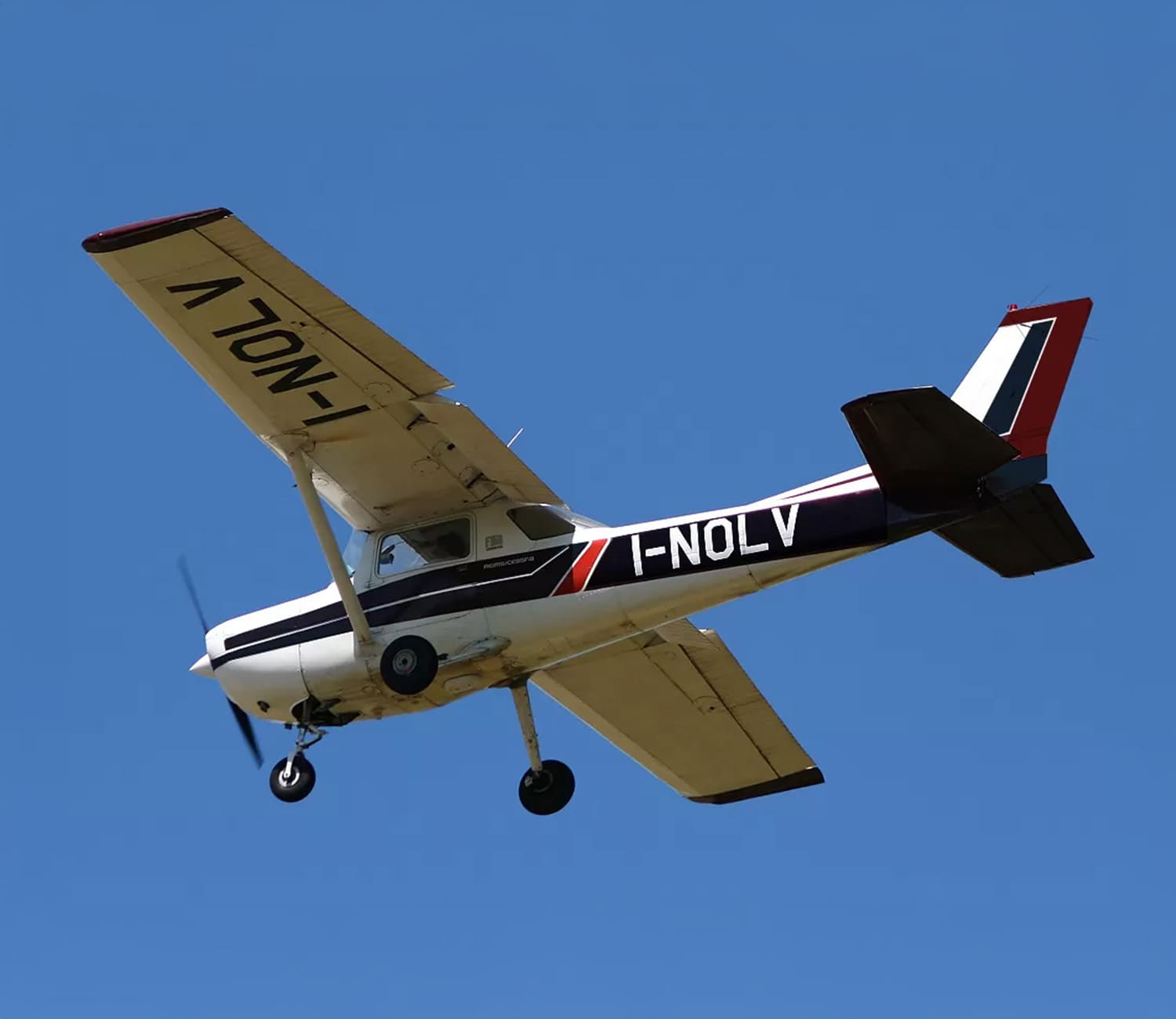
I-NOLV
Reims Cessna F150L
Fixed Pitch
Fixed Carriage
100 HP - Potenza
85 kts - Cruise speed
3.5 hr - Battery life
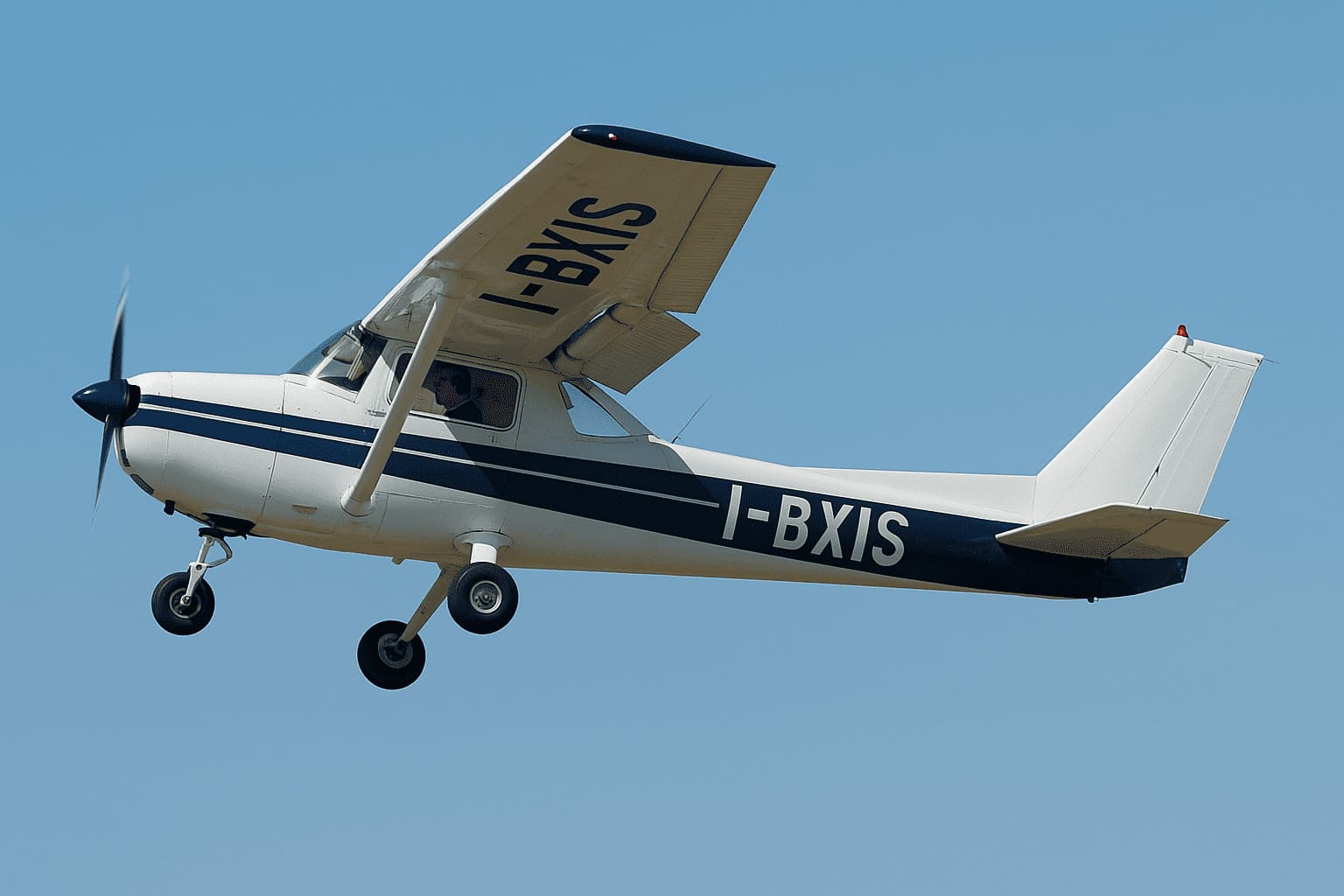
I-BXIS
Reims Cessna F150M
Fixed Pitch
Fixed Carriage
100 HP - Power
85 kts - Cruise speed
3.5 hr - Battery life
When training becomes more advanced
Piper PA-28
The fleet includes three Piper PA-28s, which are used during the various stages of training.
Their different configurations allow students to consolidate what they have learned and to be progressively introduced to night flying, instrument flying, and the management of more complex systems.
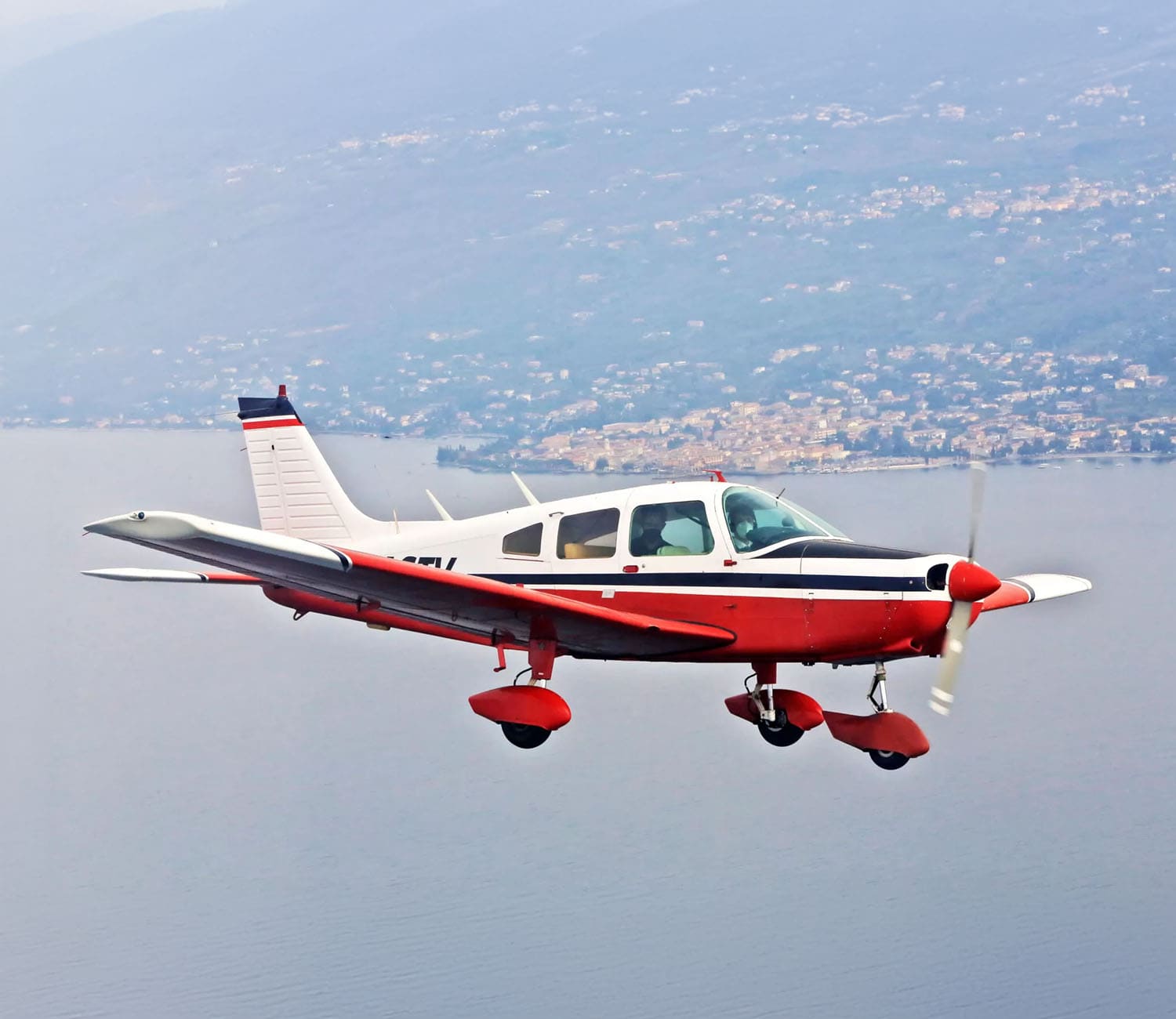
I-ASTV — Piper PA-28-151
Equipped with fixed landing gear and a fixed-pitch propeller, it guides the student through the transition from initial training to cross-country flying and advanced instruction.
Fixed Pitch
Fixed Carriage
150 HP
Power
100 kts
Cruise speed
6 hr
Battery life
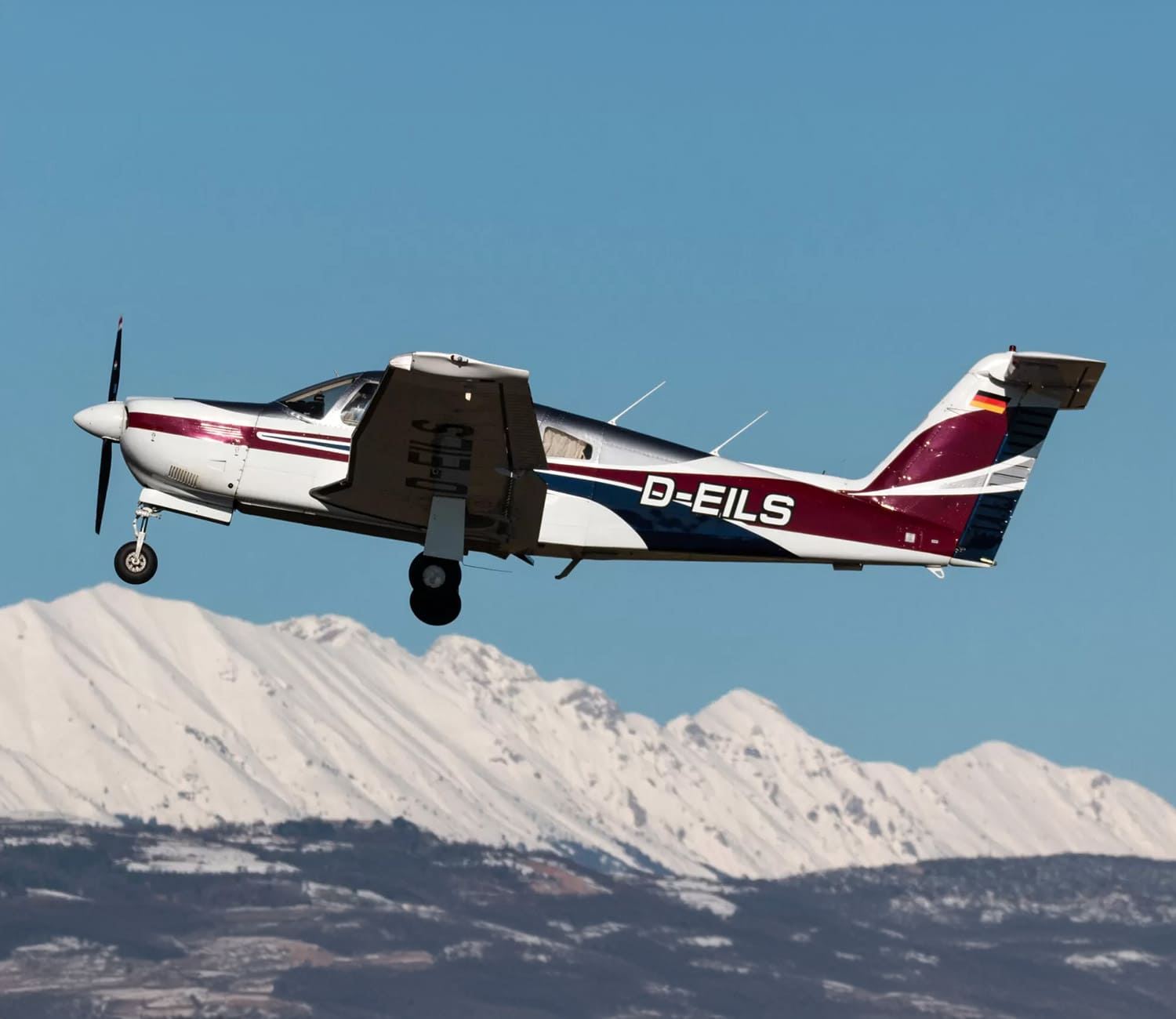
D-EILS — Piper Arrow IV
Retractable landing gear, a variable-pitch propeller, EFIS instrumentation, and an autopilot introduce a more complex level of aircraft management and serve as preparation for the professional stages of one’s training path.
Variable pitch
Retractable landing gear
200 HP
Power
130 kts
Cruise speed
6.5 hours
Battery life
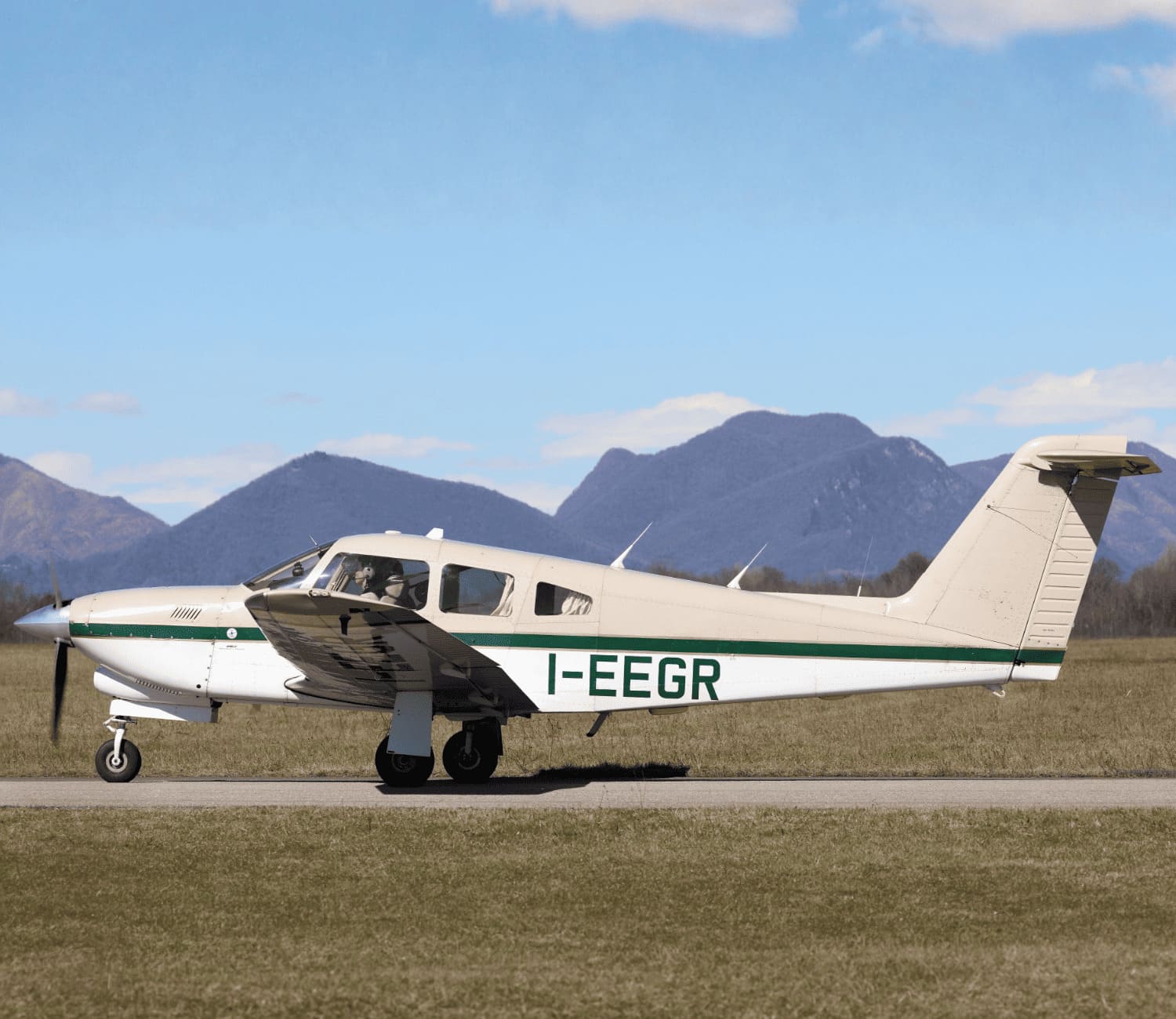
I-EEGR — Piper PA-28RT-201T Turbo Arrow IV
Equipped with EFIS instrumentation and an autopilot, it allows for the consolidation of instrument flying skills and the development of familiarity with more advanced systems.
Variable pitch
Carrello retrattile
200 HP
Power
130 kts
Cruise speed
6.5 hours
Battery life
The transition to multi-engine aircraft
Tecnam P2006T
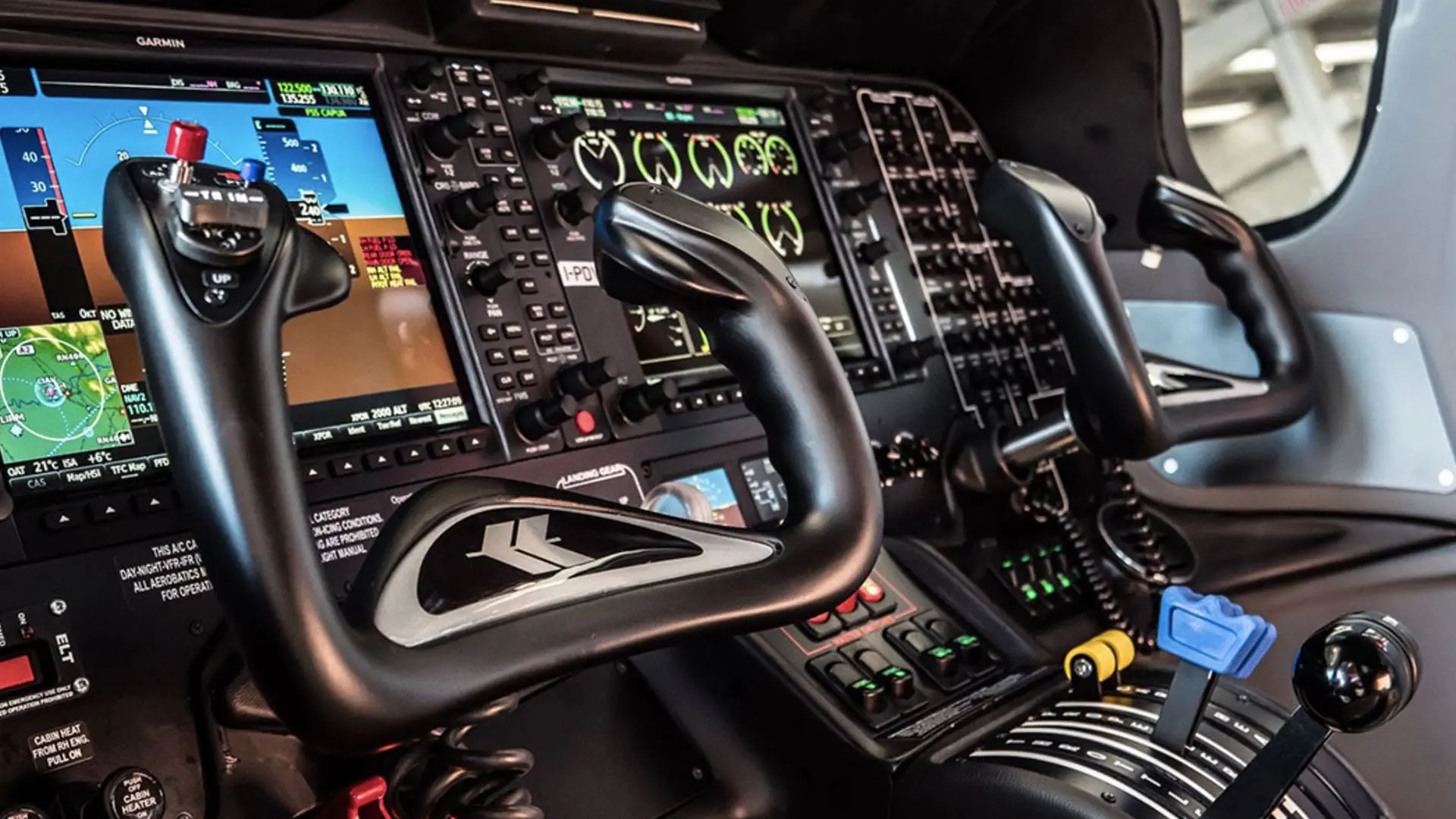
The Tecnam P2006T introduces the student to managing a twin-engine aircraft and to multi-engine flight procedures.
The Garmin G1000 NXi avionics suite marks the transition to an advanced glass cockpit. The skills developed in earlier stages now enable the student to utilize this technology with greater awareness.
2 × Rotax 912S3
100 hp each
G1000 NXi
The transition to multi-engine aircraft
ALSIM ALX
Procedures and instrument flight
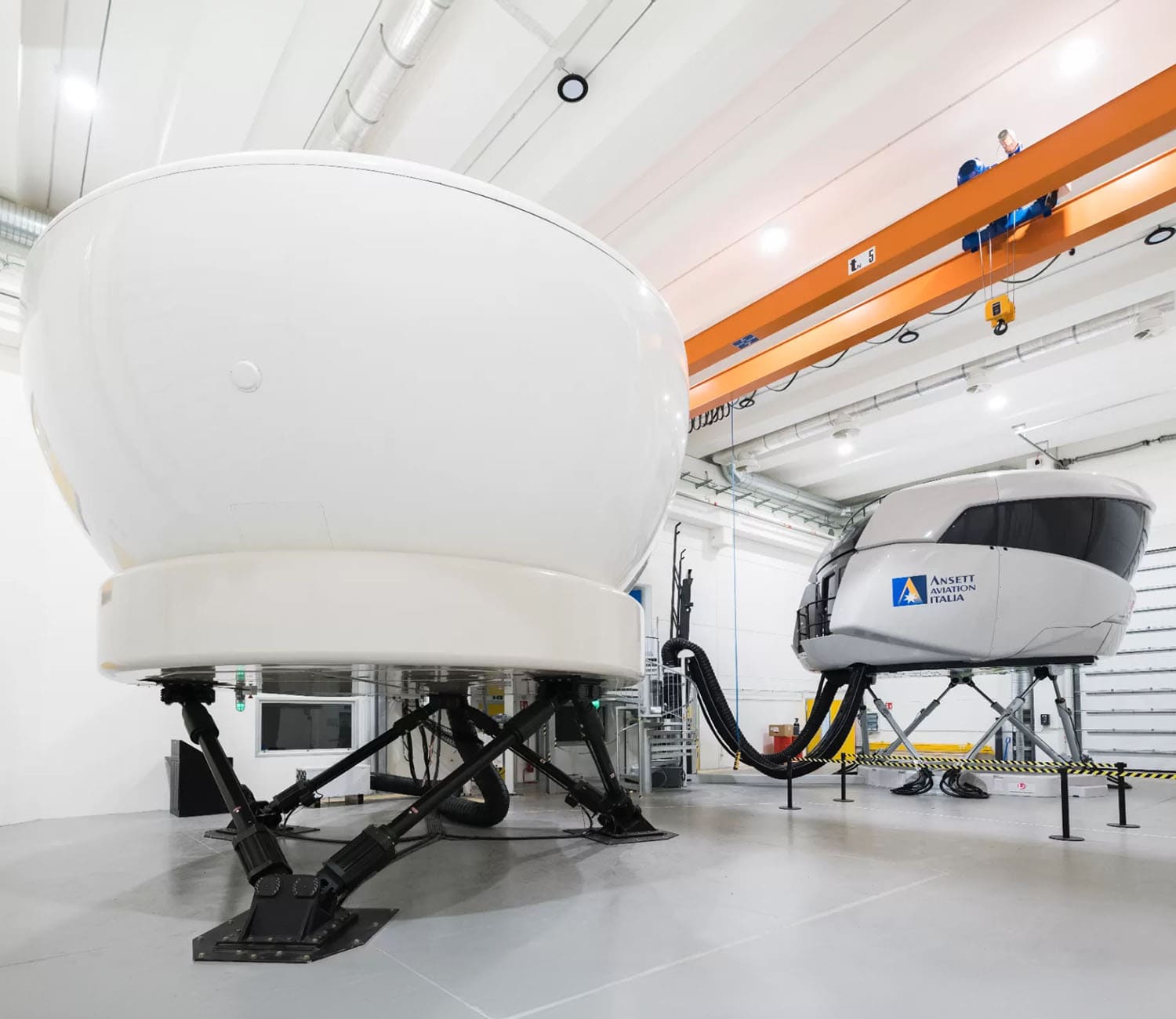
The ALSIM ALX simulator is used for instrument flight training. It allows for the practice of navigation, normal procedures, and abnormal situations in a controlled environment.
Each exercise can be repeated and analyzed with the instructor, preparing the student to apply what they have learned while in flight.
Boeing 737 and Airbus A320
The APS MCC in an airline cockpit
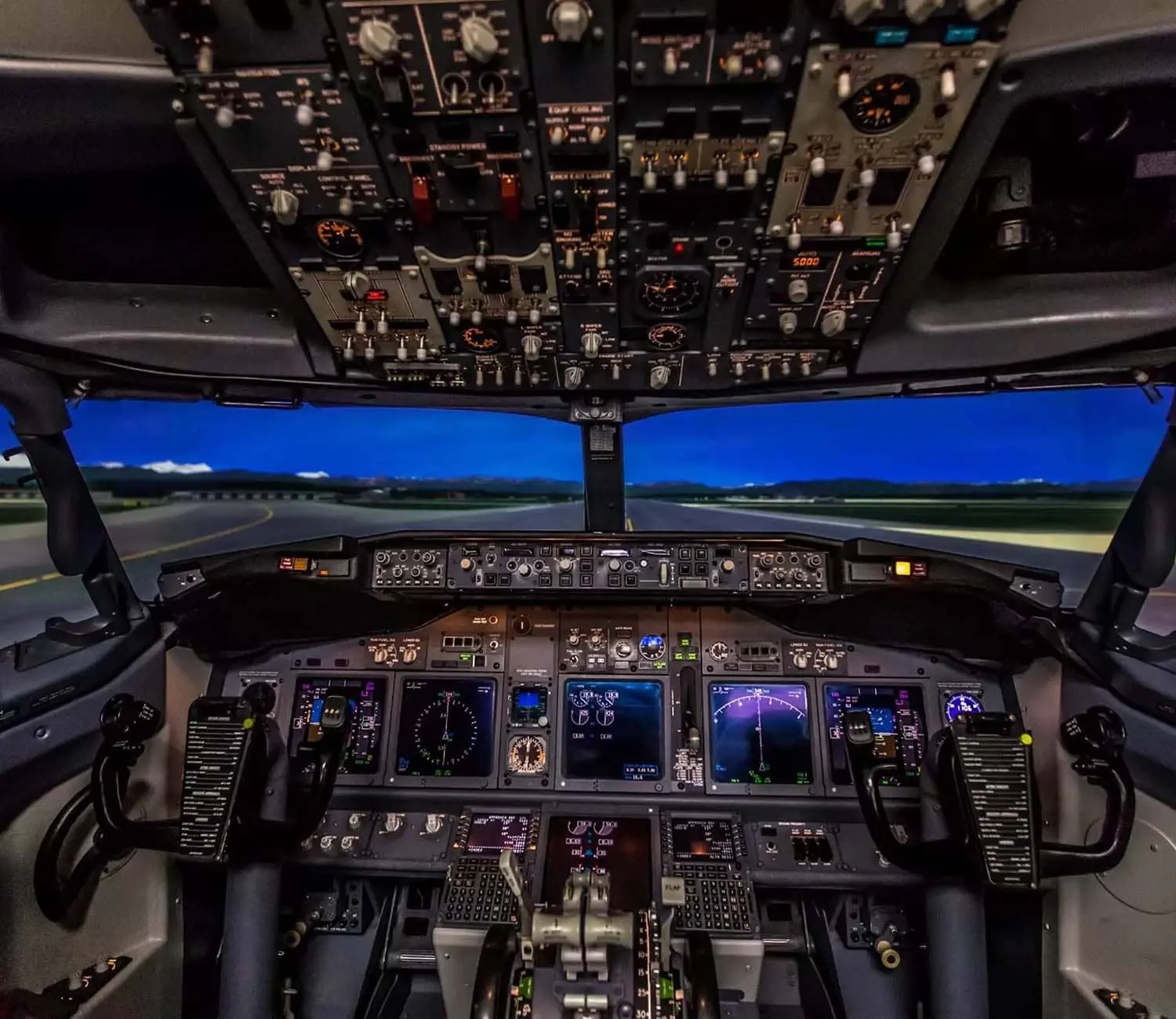
Asteraviation offers the APS MCC course directly—a more comprehensive training program, aligned with airline standards, compared to the traditional MCC.
The student learns to operate as part of a crew, applying procedures, communication, coordination, and workload management in an airline cockpit.
The training takes place in Boeing 737 or Airbus A320 simulators. Becoming familiar with these cockpits during the APS MCC course makes the subsequent transition to the Type Rating—conducted in a Level D Full Flight Simulator—more gradual.
The fleet throughout the training program
Initial training
Cessna 150/152
Flying fundamentals
Advanced training
Piper PA-28
Navigation, systems, procedures
Multi-engine
Tecnam P2006T
Multi-engine, Glass Cockpit
Instrument flight
ALSIM ALX
Procedures and IFR
APS MCC
B737 / A320
Multi-crew and airline-style cockpit
From the first flight to the airline cockpit
The fleet supports the student’s progress throughout their training journey: from the fundamentals of piloting to more advanced aircraft and procedures, and eventually to multi-engine operations and APS MCC training in an airline-style cockpit.
Each phase builds new skills and prepares the student for the next stage.
Frequently Asked Questions
On which aircraft will I start flying?
Will I use different aircraft during my training?
How is the fleet managed?
When do you switch to a twin-engine aircraft?
Asteraviation follows a training progression similar to that used in the United States: students first earn their Instrument Rating (IR) in a single-engine aircraft they are already familiar with, allowing them to focus entirely on instrument flying.
Next, they transition to the Tecnam P2006T, where they learn to manage a multi-engine aircraft and complete their multi-engine Instrument Rating (IR ME).
This approach ensures that students are not overwhelmed by having to master a new aircraft, a second engine, and instrument procedures all at once; instead, each skill is introduced and consolidated at the appropriate stage.
Why complete the APS MCC on a Boeing 737 or Airbus A320 simulator?
Will I use both the Airbus A320 and the Boeing 737 simulators during the course?
Are the aircraft in the fleet owned by Asteraviation?
Do you want to see the aircraft up close?
Cadet Aptitude Day is an opportunity to get in touch with the operational environment, see the fleet, and take part in a flight experience with a dedicated instructor.