A guide for parents of future pilots
An important choice for the future. A journey to be understood together.
An important choice for the future.
A journey to be understood together.
Choosing an aviation education involves the whole family. Alongside the excitement, practical questions arise regarding safety, the investment required, life away from home, and career opportunities.
Asteraviation is an Approved Training Organisation, authorized by ENAC under certificate IT.ATO.096. The school trains aspiring professional pilots by integrating technical preparation, non-technical skills, and activities specifically designed for future airline selection processes.
The goal is to support the student throughout their education and provide the family with clear information, enabling them to make their choice with greater awareness.
What parents need to know
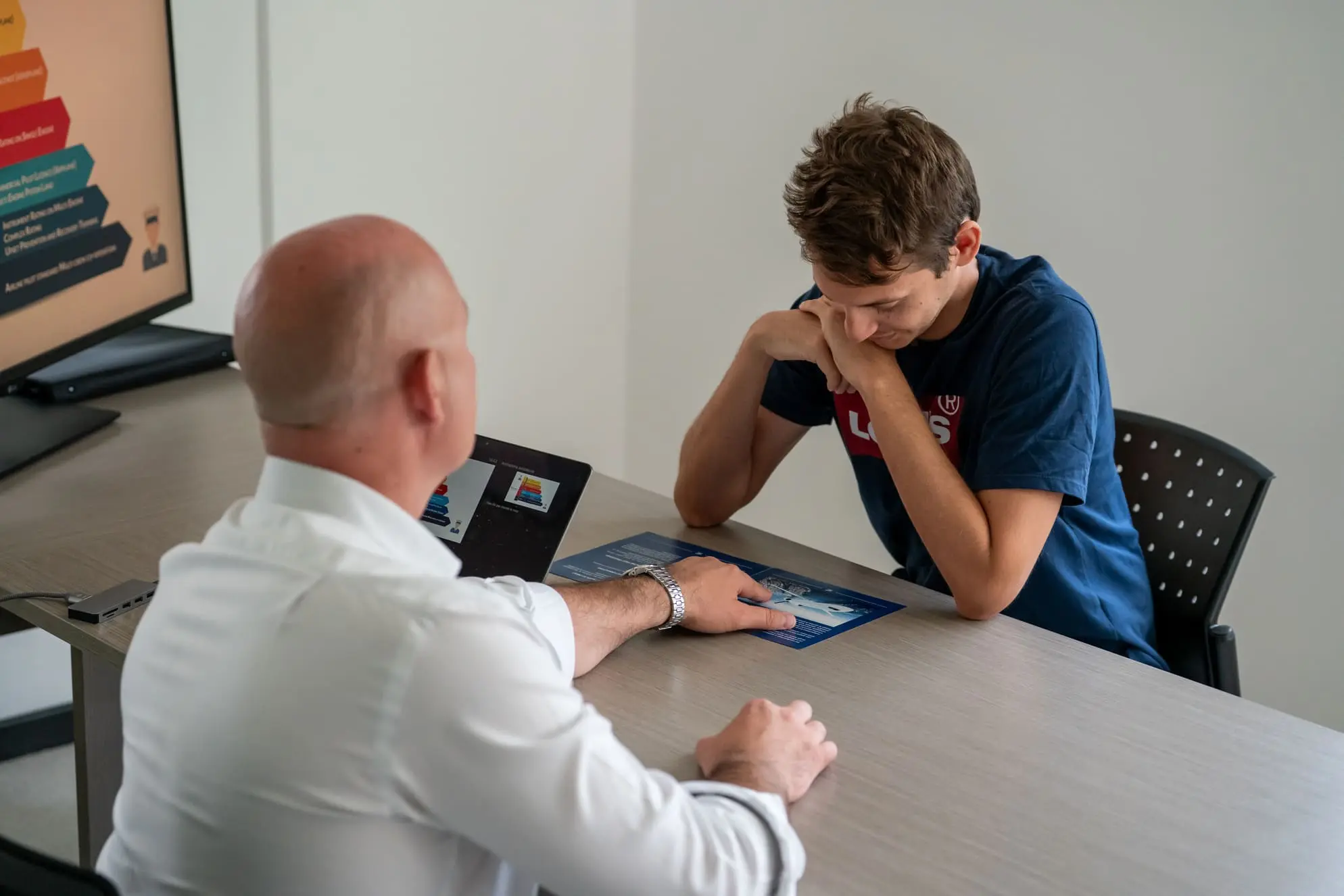
Support and safety along the way
Briefings, assessments, and ongoing discussion with the team guide every student toward autonomy, responsibility, and professional maturity.
Conscious planning
Life support services in Verona, along with flexible payment options and financing possibilities, help families organize and plan the process.
Preparation for the future
Technical skills, pilot competencies, soft skills, and preparation for airline selection processes progressively bring the student closer to the profession.
How challenging is it to become a pilot?
Becoming a pilot requires commitment, perseverance, and a sense of responsibility. It is not just about learning to fly an aircraft: the process includes theoretical study, flight training, ongoing assessments, and the development of both technical and non-technical skills.
The student must learn to manage their time and studies, face new situations, engage in constructive dialogue with instructors, and work progressively toward greater autonomy. Discipline and consistency are just as important as a passion for flying.
For this reason, Asteraviation supports students throughout every stage of their training, monitoring their progress and intervening whenever difficulties arise or areas for development are identified.
It is a challenging journey, but it is not a journey to be faced alone.
Understanding before you begin:
the Cadet Aptitude Day
A passion for flying is the starting point. Before beginning, however, it is important to understand the necessary aptitudes, the level of commitment required, and the nature of the path ahead.
For this reason, Asteraviation offers the Cadet Aptitude Day, an initial assessment developed with psychologists and aviation professionals.
- aptitude tests
- a consultation with a psychologist specializing in aviation
- a flight with an instructor, to observe strengths, learning ability, and potential areas for improvement.
Afterward, the candidate and their family receive feedback and discuss it with the school administrator. If an area for development is identified, the student can receive targeted support throughout their training.
A process followed closely
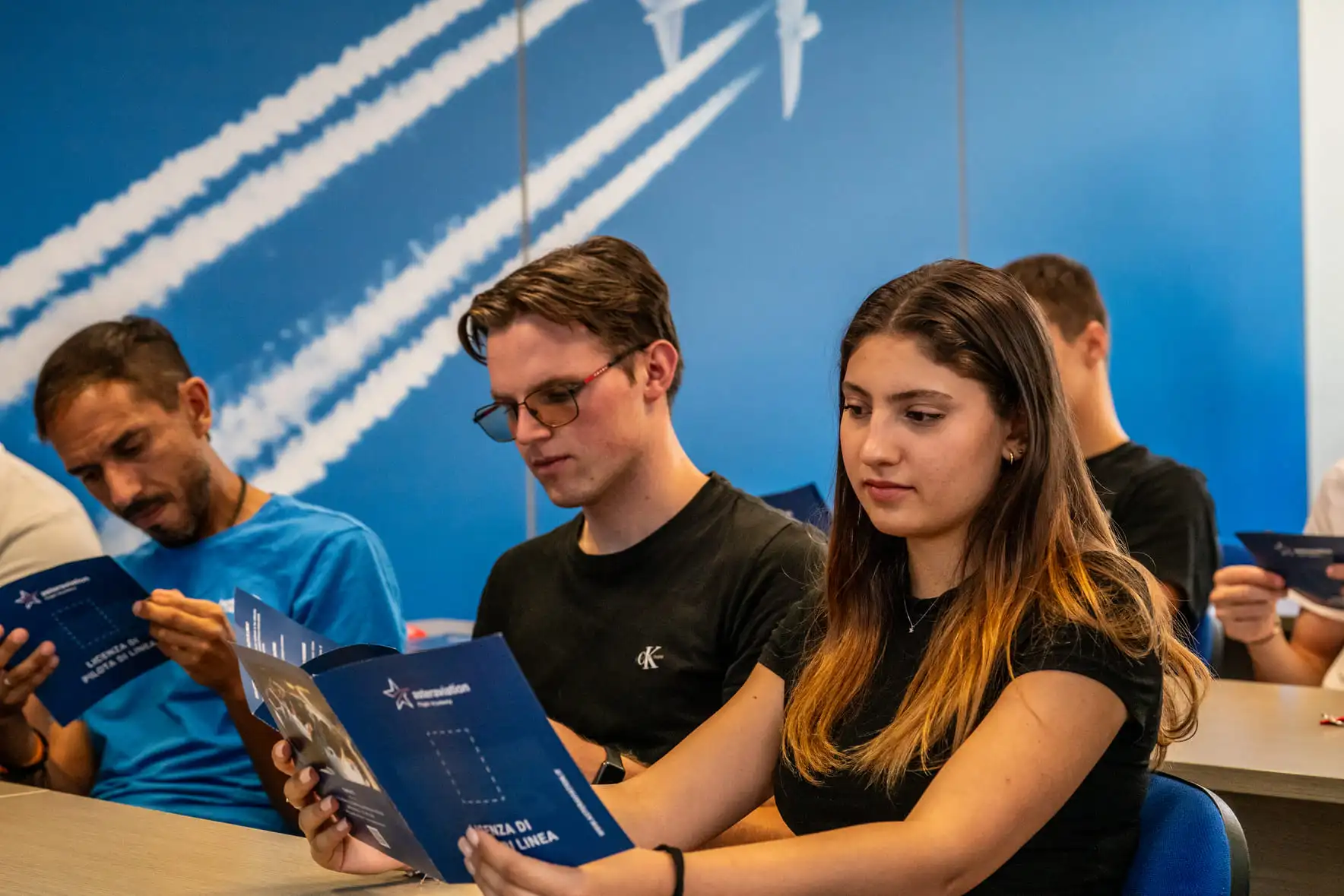
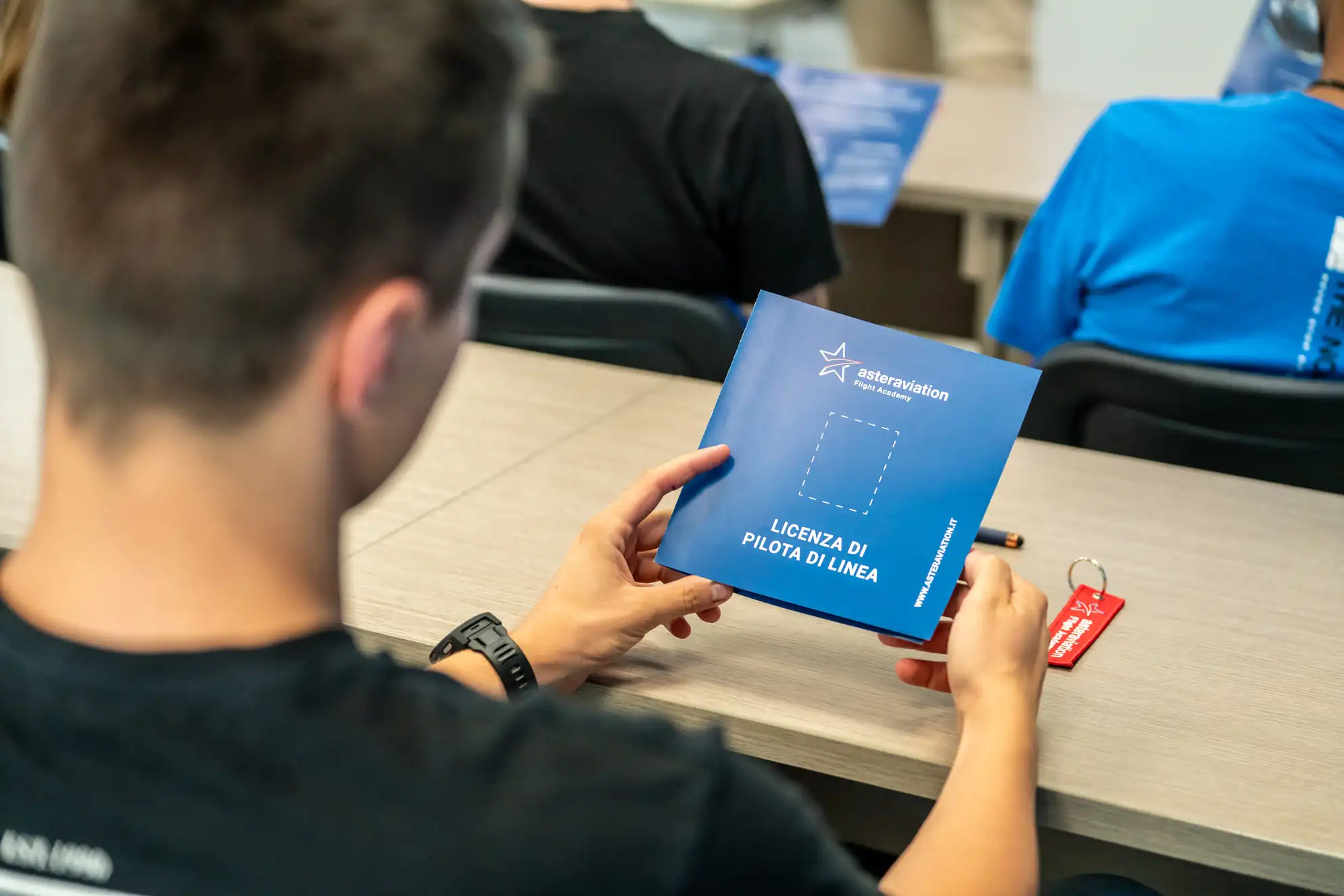
During training, there may be moments that require more study, practice, or focused discussion.
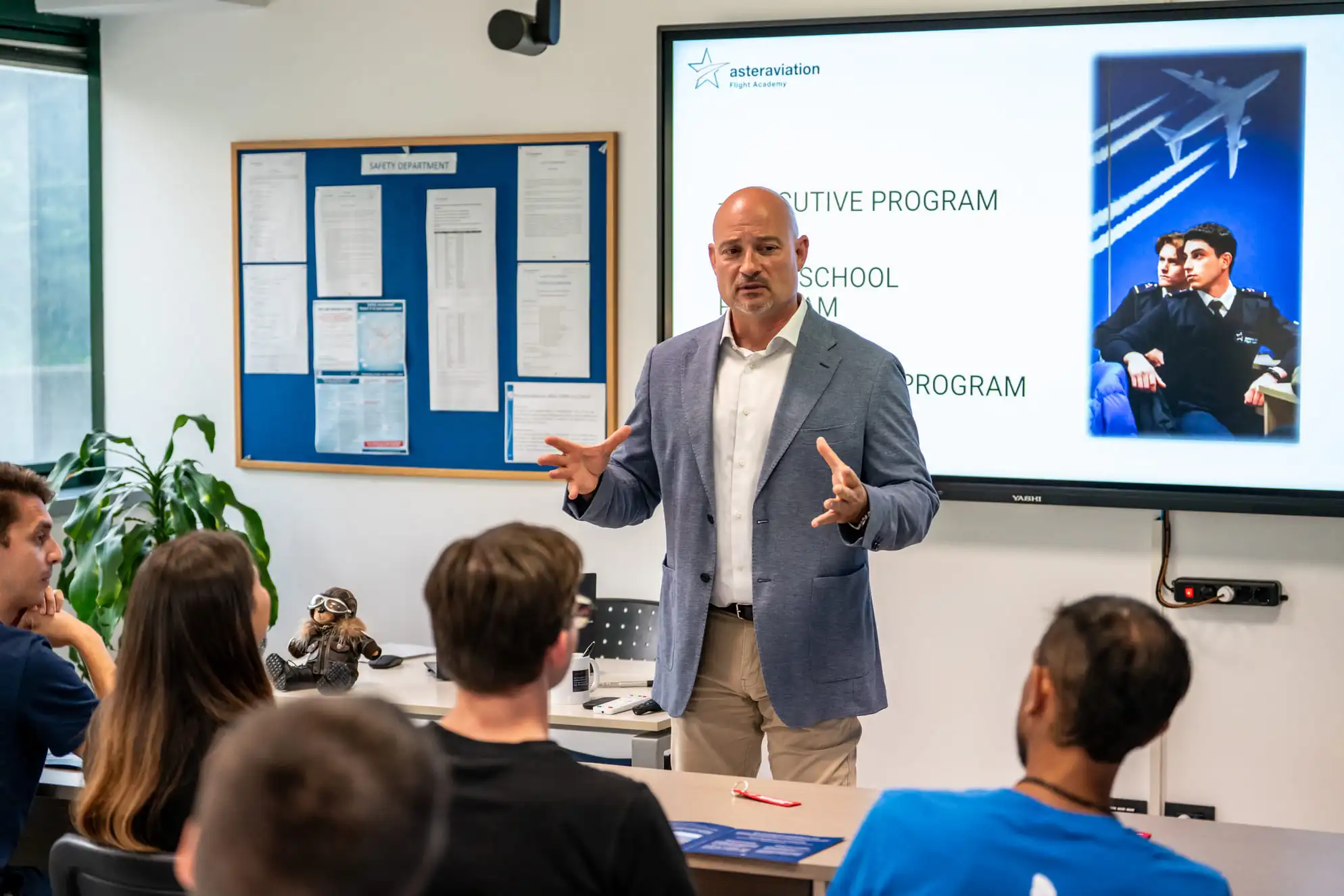
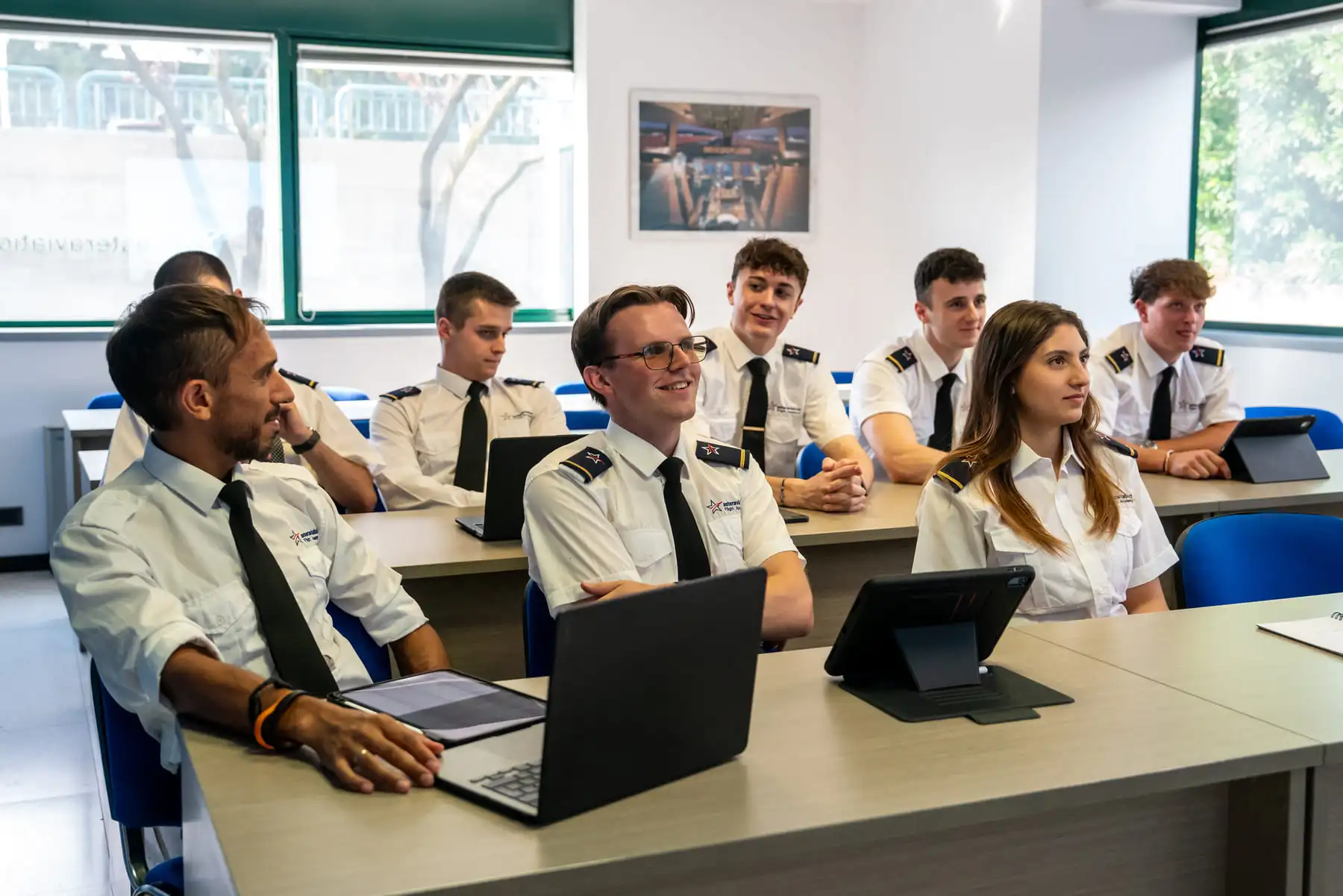
Asteraviation works with a limited number of students, allowing instructors to track their progress, identify any difficulties, and provide specific, practical guidance.
- clear feedback;
- personalized improvement goals;
- direct interaction with the instructors;
- progress checks.
Every week, the Asteraviation team discusses the progress of the students. When necessary, the safety officer and the psychologists who work with the school may also be involved.
Safety in training
Safety does not depend solely on adherence to procedures. Before any activity, the instructor assesses the student’s preparation, approach, and state, while also keeping an eye out for any signs of fatigue, stress, or difficulty.
The briefing prepares for the mission; the debriefing allows for the analysis of decisions, errors, and areas for improvement. Asteraviation instructors also receive training in instructional techniques, communication, CRM, and Human Factors.
The training is supported by the Safety Manager at Asteraviation—a former airline captain and airline Safety Manager, who is now a university lecturer in Human Factors.
The aircraft undergo scheduled maintenance programs and are housed in hangars.
Living and studying in Verona
For many students, the course marks their first experience living away from home. Asteraviation provides support to students from out of town through agreements and arrangements with apartments, residences, and other selected accommodations.
- contact details for apartments and residences;
- contacts between students interested in sharing accommodation;
- information on the most convenient areas;
- information on services and transport links to training locations.
Living with other students who are following the same path can facilitate studying, foster new relationships, and make it easier to integrate into life at the Academy.
An investment to be planned with clarity
Pilot training requires a significant investment from a family. For this reason, from the very beginning, Asteraviation provides a clear overview of the activities included, the flight hours, the licenses to be obtained, external expenses, and any potential variable costs.
Payment arrangements can be tailored to the family’s needs.
Financing options and loans are also available through partner credit institutions, including Intesa Sanpaolo and BNL, subject to the terms and requirements set by the banks.
From training to the airline
Today, a young person can go from the classroom to an airline cockpit in about 24 months. Achieving this requires more than just obtaining licenses and ratings; it demands the skills and professional mindset that airlines look for during their selection processes.

Stefano, a former Asteraviation student, is now a pilot.
Asteraviation develops pilot competencies, including communication, leadership and teamwork, decision-making, situational awareness, workload management, and operational behavior.
Aviation psychologists support students in the development of non-technical skills. Furthermore, full-scale selection simulations are organized twice a year, including aptitude and psychometric tests, interviews, group exercises, English language assessments, and simulator evaluations.
Upon completion of the training, each student receives guidance in preparing for the selection process of the company to which they are applying.
Preparation for the selection process does not begin in the final weeks; it develops alongside the student throughout the entire course of study.
Frequently Asked Questions
How can Asteraviation help my child determine whether this is the right choice?
Who supports him when he encounters a difficulty?
How is his/her progress communicated?
Asteraviation aiuta gli studenti fuori sede a trovare casa?
Are there solutions available to fund training?
How does one prepare for airline selection processes?
Can the family visit the school before enrollment?
Getting to know Asteraviation together
The Airline Pilot Open Day is an opportunity for discussion, dedicated to aspiring pilots and their families.
During the meeting, you will be able to:
- meet instructors, professional pilots, and school administrators;
- understand the stages of the path to becoming an airline pilot
- look into licenses, flight hours, costs, payments, and financing;
- to be aware of the preparation required for tests, interviews, and simulator exercises;
- receive information about partnerships and recruitment opportunities.
Come along with your child and get a firsthand look at the Asteraviation training path.